The Essence of Karma: Exploring the Three Types and Their Spiritual Significance
Jun 19, 2024
The Essence of Karma: Exploring the Three Types and Their Spiritual Significance
Jun 19, 2024
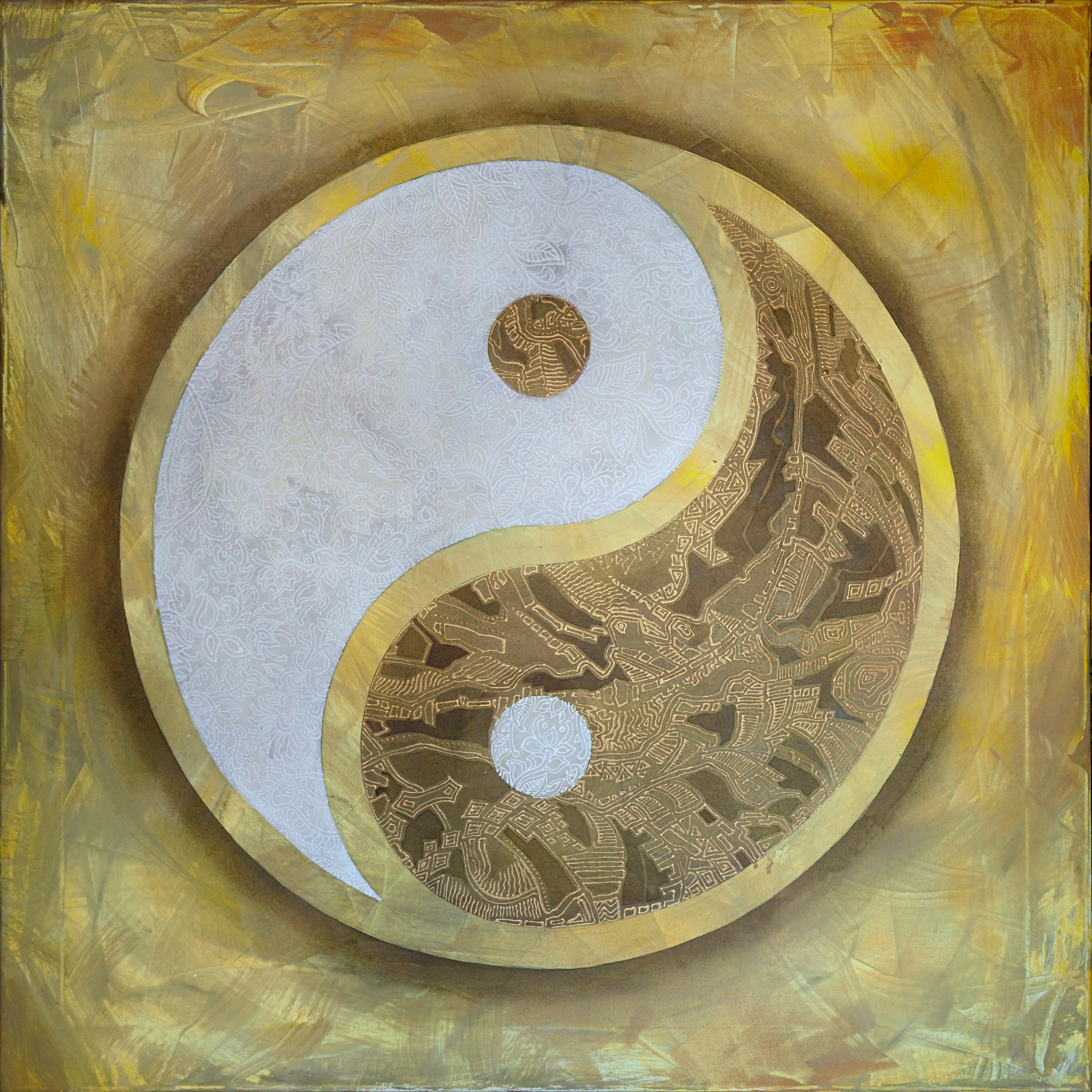
In Hindu philosophy, karma plays a central role in shaping an individual's life experiences and spiritual journey. The concept of karma encompasses the idea that every action has consequences, which can extend beyond a single lifetime. Understanding the different types of karma helps one comprehend the complexity of this principle and its implications for personal growth and spiritual evolution. The three main types of karma are:
Sanchita Karma (Accumulated Works)
Sanchita karma refers to the accumulated karma from past actions that have not yet been experienced or resolved. This includes the total sum of all the actions, both good and bad, that an individual has performed in previous lives or the current life. Essentially, it forms a kind of karmic bank or reservoir that influences the individual's present circumstances and future experiences.
The concept of sanchita karma underscores the principle of cause and effect, implying that one's present circumstances are a result of their past actions. It suggests that each person is responsible for their actions and the consequences they bring. Moreover, it emphasizes that individuals have the ability to shape their future through their present actions, as they continually add to or modify their sanchita karma.
In Hinduism, the belief in reincarnation is integral to the understanding of karma. The idea is that individuals carry their sanchita karma from one life to another until it is exhausted or resolved through the process of spiritual growth and self-realization. This means that the lessons and challenges faced in one's current life are influenced by the unresolved karma from previous existences, highlighting the interconnectedness of past, present, and future.
Prarabdha Karma (Fructifying Works)
Prarabdha karma is the portion of sanchita karma that has been chosen to manifest and influence an individual's current life circumstances. It is the specific subset of accumulated karma that is allotted to a person for their present life, determined by various factors such as their past actions, intentions, and spiritual evolution.
Often compared to a predetermined destiny or fate, prarabdha karma shapes the individual's life experiences, including the events, situations, and relationships they encounter. It is believed that prarabdha karma cannot be completely avoided or altered but must be experienced and resolved through conscious actions and spiritual growth.
The concept of prarabdha karma emphasizes the idea that individuals must face the consequences of their past actions in the present life. These consequences serve as lessons and opportunities for spiritual evolution. By accepting and working through their prarabdha karma, individuals can grow spiritually and cultivate positive karma, ultimately aiming to attain liberation (moksha) from the cycle of birth and death.
Kriyamana or Agami Karma (Current Works)
Kriyamana karma, also known as agami karma, focuses on the actions and choices made in the present moment. It pertains to the immediate consequences of one's current thoughts, words, and deeds. Unlike sanchita and prarabdha karma, which relate to past actions, kriyamana karma is about the ongoing process of creating new karma based on one's free will and intentions.
This type of karma recognizes that individuals have the power to shape their future experiences through their present actions. It emphasizes the importance of conscious decision-making, ethical behavior, and the cultivation of positive actions. By understanding and being mindful of their kriyamana karma, individuals can strive to make wise and virtuous choices, promoting personal growth and influencing their destiny.
Kriyamana karma highlights the belief in personal responsibility and the idea that individuals have the capacity to improve their circumstances and spiritual evolution through conscious action. It suggests that by making thoughtful and ethical choices in the present, one can create a more favorable future and contribute to their overall spiritual development.
Conclusion
The three types of karma—sanchita, prarabdha, and kriyamana—together form a comprehensive framework for understanding the law of cause and effect in Hindu philosophy. Each type represents different aspects of an individual's actions and their consequences, spanning across multiple lifetimes. By recognizing the interplay between these types of karma, individuals can better understand their current circumstances, take responsibility for their actions, and actively shape their spiritual journey towards liberation.
In Hindu philosophy, karma plays a central role in shaping an individual's life experiences and spiritual journey. The concept of karma encompasses the idea that every action has consequences, which can extend beyond a single lifetime. Understanding the different types of karma helps one comprehend the complexity of this principle and its implications for personal growth and spiritual evolution. The three main types of karma are:
Sanchita Karma (Accumulated Works)
Sanchita karma refers to the accumulated karma from past actions that have not yet been experienced or resolved. This includes the total sum of all the actions, both good and bad, that an individual has performed in previous lives or the current life. Essentially, it forms a kind of karmic bank or reservoir that influences the individual's present circumstances and future experiences.
The concept of sanchita karma underscores the principle of cause and effect, implying that one's present circumstances are a result of their past actions. It suggests that each person is responsible for their actions and the consequences they bring. Moreover, it emphasizes that individuals have the ability to shape their future through their present actions, as they continually add to or modify their sanchita karma.
In Hinduism, the belief in reincarnation is integral to the understanding of karma. The idea is that individuals carry their sanchita karma from one life to another until it is exhausted or resolved through the process of spiritual growth and self-realization. This means that the lessons and challenges faced in one's current life are influenced by the unresolved karma from previous existences, highlighting the interconnectedness of past, present, and future.
Prarabdha Karma (Fructifying Works)
Prarabdha karma is the portion of sanchita karma that has been chosen to manifest and influence an individual's current life circumstances. It is the specific subset of accumulated karma that is allotted to a person for their present life, determined by various factors such as their past actions, intentions, and spiritual evolution.
Often compared to a predetermined destiny or fate, prarabdha karma shapes the individual's life experiences, including the events, situations, and relationships they encounter. It is believed that prarabdha karma cannot be completely avoided or altered but must be experienced and resolved through conscious actions and spiritual growth.
The concept of prarabdha karma emphasizes the idea that individuals must face the consequences of their past actions in the present life. These consequences serve as lessons and opportunities for spiritual evolution. By accepting and working through their prarabdha karma, individuals can grow spiritually and cultivate positive karma, ultimately aiming to attain liberation (moksha) from the cycle of birth and death.
Kriyamana or Agami Karma (Current Works)
Kriyamana karma, also known as agami karma, focuses on the actions and choices made in the present moment. It pertains to the immediate consequences of one's current thoughts, words, and deeds. Unlike sanchita and prarabdha karma, which relate to past actions, kriyamana karma is about the ongoing process of creating new karma based on one's free will and intentions.
This type of karma recognizes that individuals have the power to shape their future experiences through their present actions. It emphasizes the importance of conscious decision-making, ethical behavior, and the cultivation of positive actions. By understanding and being mindful of their kriyamana karma, individuals can strive to make wise and virtuous choices, promoting personal growth and influencing their destiny.
Kriyamana karma highlights the belief in personal responsibility and the idea that individuals have the capacity to improve their circumstances and spiritual evolution through conscious action. It suggests that by making thoughtful and ethical choices in the present, one can create a more favorable future and contribute to their overall spiritual development.
Conclusion
The three types of karma—sanchita, prarabdha, and kriyamana—together form a comprehensive framework for understanding the law of cause and effect in Hindu philosophy. Each type represents different aspects of an individual's actions and their consequences, spanning across multiple lifetimes. By recognizing the interplay between these types of karma, individuals can better understand their current circumstances, take responsibility for their actions, and actively shape their spiritual journey towards liberation.